Sanquita's notarized declaration
The Life ListSanquita's notarized declaration is the decisive document in the custody hearing over her child: it records Sanquita Bell's wish that Brett Bohlinger receive sole custody and changes that wish from contested testimony into written evidence before the court. Its appearance resolves an immediate dispute, though the document's arrival remains unexplained to Brett.
What the Declaration Says
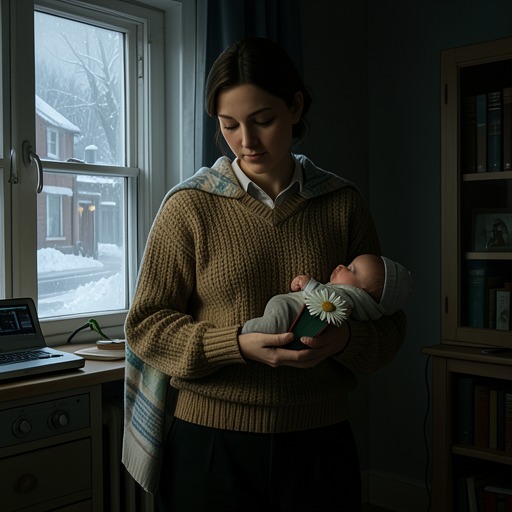
The court dates the statement March 5, several weeks before Sanquita's death, and identifies it as notarized. Judge Garcia reads its central declaration aloud: “I, Sanquita Jahzmen Bell, being of sound mind, do hereby declare my intentions for my unborn child, should he or she outlive me. It is my heartfelt desire that Ms. Brett Bohlinger, my best friend and my homebound teacher, get sole custody of my child.” The wording specifies both the contingency—Sanquita's child surviving her—and the person she wants entrusted with the child. It also identifies Brett not merely as a prospective caregiver but as Sanquita's best friend and homebound teacher.
The statement's timing matters. It predates Sanquita's death by several weeks, giving the request a written form from before the crisis of the hearing. Its reference to Sanquita as being of sound mind is read aloud as part of the declaration; the excerpt does not establish who prepared the document or describe the circumstances of its notarization.
From Disputed Testimony to Court Evidence
Before the paper is produced, Brett's account is vulnerable to challenge. Social worker Kirsten Schertzing tells Brett and Brad Midar that Sanquita's medical chart records her slipping into a coma after her C-section, with no reported consciousness during the thirteen hours before her death—except for Brett's account. Brett maintains that Sanquita woke on the evening she delivered the baby and told her to keep the child. Kirsten stresses that what she believes is less important than what the court believes, and warns that courts in custody cases almost always favor family.
That evidentiary problem follows Brett into court. Mr. Croft asks whether anyone else heard Sanquita say she wanted Brett to take the baby. Brett answers that she and Sanquita were alone, but adds that Sanquita had earlier told Jean Anderson of Joshua House. The statement thus supplies a different kind of support from Brett's account of Sanquita waking from the coma: it is a written request presented in court, not another witness to the bedside conversation.
Production and Effect
Jean arrives during the hearing and walks directly to Judge Garcia's bench instead of taking a seat. After whispering to the judge, she takes a paper from her purse and hands it to him. The lawyers confer at the bench; when they return, Brad and Jean are smiling. Judge Garcia then holds up the document, identifies it as Sanquita's notarized request, and reads it aloud. The sequence makes the paper's physical arrival part of the turning point: until Jean produces it, Brett's account is pressed as an unwitnessed claim; afterward, the judge has a signed statement bearing directly on Sanquita's wishes.
Judge Garcia grants Brett temporary custody until adoption procedures are finalized and adjourns the court. Brett drops her head into her hands and sobs. The declaration does not itself complete an adoption; its immediate legal effect is to secure temporary custody while those procedures remain unfinished. Brett never asks Jean how or when she obtained the paper. She accepts the result as doing right by Sanquita and the baby, leaving the declaration's path into court unresolved even as its importance is clear.